Taurine, or L taurine, is a naturally occurring organic acid found in the human body. It plays an important role in overall health, supporting the brain, muscles, heart, and other vital organs.
Contents:
- What is Taurine?
- What is Taurine Used For?
- Taurine Benefits
- Taurine Dosage
- Food & Drinks High in Taurine
- Taurine Side Effects
- Fitness Goals Taurine Assists
- How to Take Taurine
- Where To Buy Taurine
What is Taurine?
Taurine is an amino acid that supports key bodily functions, including cardiovascular health, muscle maintenance, and the central nervous system. Unlike some amino acids, it’s produced naturally by the body.
It’s mainly found in the large intestine, where it helps form bile salts that aid digestion. Although it makes up around 0.1% of body mass, it plays an important role in overall health.
Taurine is present in many foods and can cross the blood brain barrier, meaning it can influence brain function. For this reason, it has been studied for its potential role in managing conditions such as epilepsy.
Due to its role in metabolism and its antioxidant properties, it’s also commonly added to energy drinks.
Low taurine levels have been associated with issues such as kidney dysfunction, heart problems, and vision impairment. Despite being produced naturally, deficiencies can still occur, leading many people to use supplements.
Taurine supplements are used by a wide range of people, from athletes to those looking to improve sleep or hair health. Research also links taurine to benefits such as better cardiovascular function, increased exercise performance, and improved kidney health.
What is Taurine Used For?

Taurine supports a wide range of functions in the body, which is why it’s commonly used as a supplement.
At a basic level, it helps regulate calcium, supports the nervous system, balances electrolytes, and aids digestion through bile salt formation.
Many people supplement taurine for more targeted benefits. Athletes, for example, use it to support performance, as it has been linked to improved endurance, reduced inflammation, and better cholesterol levels. It also helps protect muscles from damage and supports a healthy metabolism.
Taurine is also valued for its effects on brain health. Research suggests it may protect against age-related decline and support conditions linked to the nervous system. It’s also been associated with improved kidney function, eyesight, and hair health.
Beyond performance and health, some users report wider benefits such as reduced anxiety and improved sleep quality.
Overall, taurine is used for a broad mix of physical and cognitive benefits, making it a highly versatile supplement.
Taurine Benefits
Taurine offers a wide range of physical and mental health benefits. Below are some of the most well-supported uses.
#1 – Enhances Athletic Performance
Taurine is widely used in sport due to its proven impact on performance. It supports stronger muscle contractions, helping generate more force during exercise.
Research into taurine usage, such as this 2022 study on elite speed skaters shows it can improve endurance, reduce lactate build-up, and lower inflammation. This allows athletes to train harder and for longer.
It also protects muscles from oxidative stress and reduces damage, speeding up recovery and improving overall performance.
#2 – Reduces Anxiety
Taurine plays a role in mood regulation by increasing calming neurotransmitters like GABA. This helps reduce anxiety and promote relaxation.
It can also improve sleep quality, which is closely linked to lower stress levels. However, taurine should be taken as a supplement rather than through energy drinks, which often contain stimulating ingredients like caffeine.
#3 – Helps Prevent Hair Loss
Taurine may support hair health by reducing inflammation in hair follicles and preventing damage that leads to hair loss.
It also contributes to keratin production, which is essential for strong, healthy hair growth.
By improving sleep, reducing anxiety, and supporting detoxification, taurine can further support overall scalp and hair health.
#4 – Supports Bodybuilding
Taurine is popular in bodybuilding due to its role in muscle function, recovery, and performance.
It helps improve muscle pumps, supports fat metabolism, and allows muscles to handle greater workloads.
It also reduces muscle damage and soreness, helping speed up recovery and support consistent training.
#5 – Improves Heart Health
Taurine has strong links to improved cardiovascular health. It helps lower blood pressure, improve blood flow, and support artery function.
Research such as this 2011 study published by the American Journal of Hypertension shows it can reduce cholesterol levels and support better oxygen delivery to the heart.
It may also aid weight management by improving fat metabolism, further reducing the risk of heart disease and supporting overall heart health.
Taurine Dosage

Taurine supports several systems in the body, so getting the right dosage is important. While it is naturally produced, supplementation is often used to increase intake.
A typical dose ranges from 500 to 2000mg per day, usually taken as a powder or tablet. The exact amount depends on your goal.
Athletes may require higher doses, while those taking taurine for general health, anxiety, or hair support may need less. Your diet also matters, as taurine rich foods can reduce the need for supplementation.
Research shows taurine is safe even at higher intakes, with doses up to 3000mg per day considered safe. However, taking more does not necessarily lead to additional benefits.
Overall, while taurine is well tolerated, it’s still important to stay within the recommended guidelines.
Food & Drinks High in Taurine
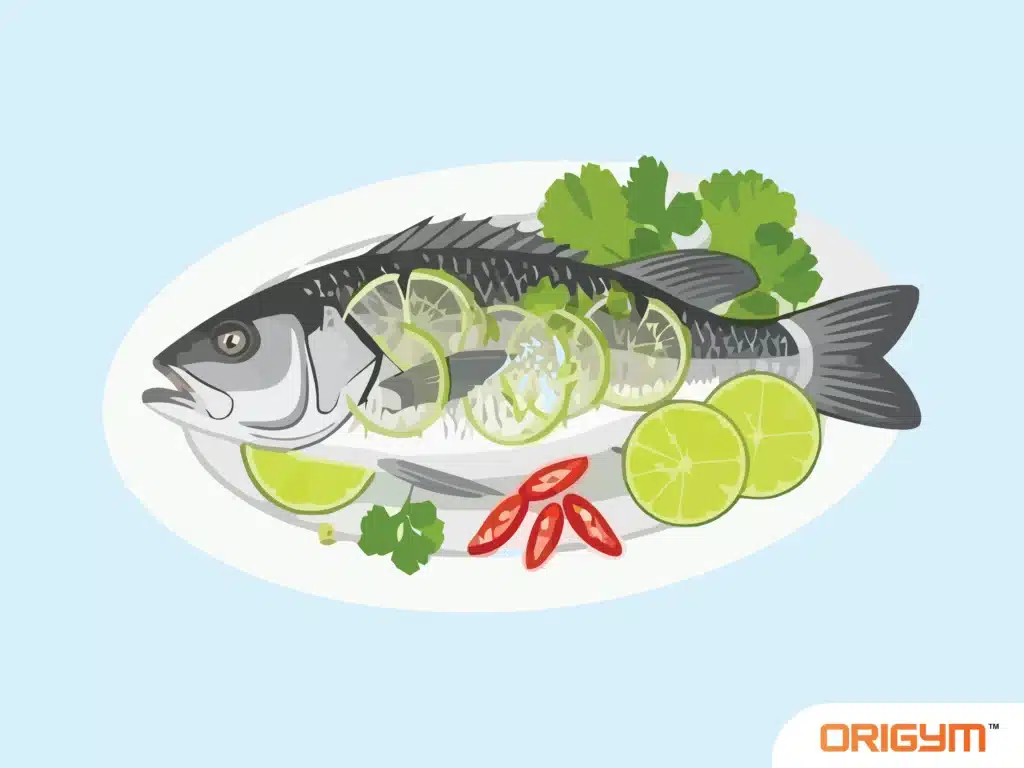
Taurine is mainly found in animal based foods, so it can be harder to get enough through a vegetarian or vegan diet. As a result, plant based individuals are more likely to experience a deficiency and may benefit from supplementation.
The richest sources of taurine are fish, shellfish, meat, and dairy. Some of the highest taurine foods include:
- Scallops – 827mg per 100g
- Clams – 520mg per 100g
- Mussels – 655mg per 100g
- Tuna – up to 964mg per 100g
- Cod – 120mg per 100g
- Salmon – 94mg per 100g
- Tilapia – around 972mg per 150g fillet
- Octopus – 335mg per 85g serving
- Turkey – up to 306mg per 100g
- Chicken – 170mg per 100g
For plant based diets, nori seaweed is one of the few notable sources, offering up to 1,300mg per 100g.
Including a mix of these foods can help maintain healthy taurine levels, though supplements may be useful if intake is low.
Taurine is also commonly found in energy drinks, but these often contain high levels of sugar, caffeine, and additives that can reduce its health benefits.
This is especially important if you are taking taurine for sleep or anxiety, as caffeine can counteract its calming effects.
It is also worth noting that while taurine rich foods support general health, they typically do not provide enough to achieve performance related benefits.
For goals such as athletic performance or bodybuilding, supplementation is usually required to see noticeable results.
Taurine Side Effects

Taurine is generally considered very safe, with few known side effects when taken at the recommended dose.
Those with kidney issues should take extra care, as with any amino acid supplement. For most people, taurine alone does not cause problems.
Issues typically arise when taurine is consumed through energy drinks, which often contain high levels of caffeine, sugar, and additives. These can lead to sleep disruption, jitters, energy crashes, and other health concerns.
There is no evidence linking taurine itself to serious harm. Instead, risks are associated with excessive caffeine intake alongside it.
Fitness Goals Assisted By Taurine
Taurine supports several key areas of fitness, particularly for those looking to improve performance and recovery.
Improves Exercise Performance
Taurine has been shown to enhance overall performance across activities like running, cycling, and weightlifting. Users often experience better endurance, longer sessions, and reduced fatigue.
Reduces Muscle Fatigue
It helps clear waste products linked to muscle burn, allowing for longer and more intense workouts. This also supports better training consistency.
Speeds Up Recovery
This research from a 2017 study shows taurine can reduce muscle damage and soreness after intense exercise, helping you recover faster between sessions.
Supports Fat Burning
Taurine may help the body use fat as a fuel source instead of carbohydrates, making it beneficial for weight loss and improving energy efficiency during exercise.
How To Take Taurine
Taurine is available in both powder and capsule form, each with its own benefits.
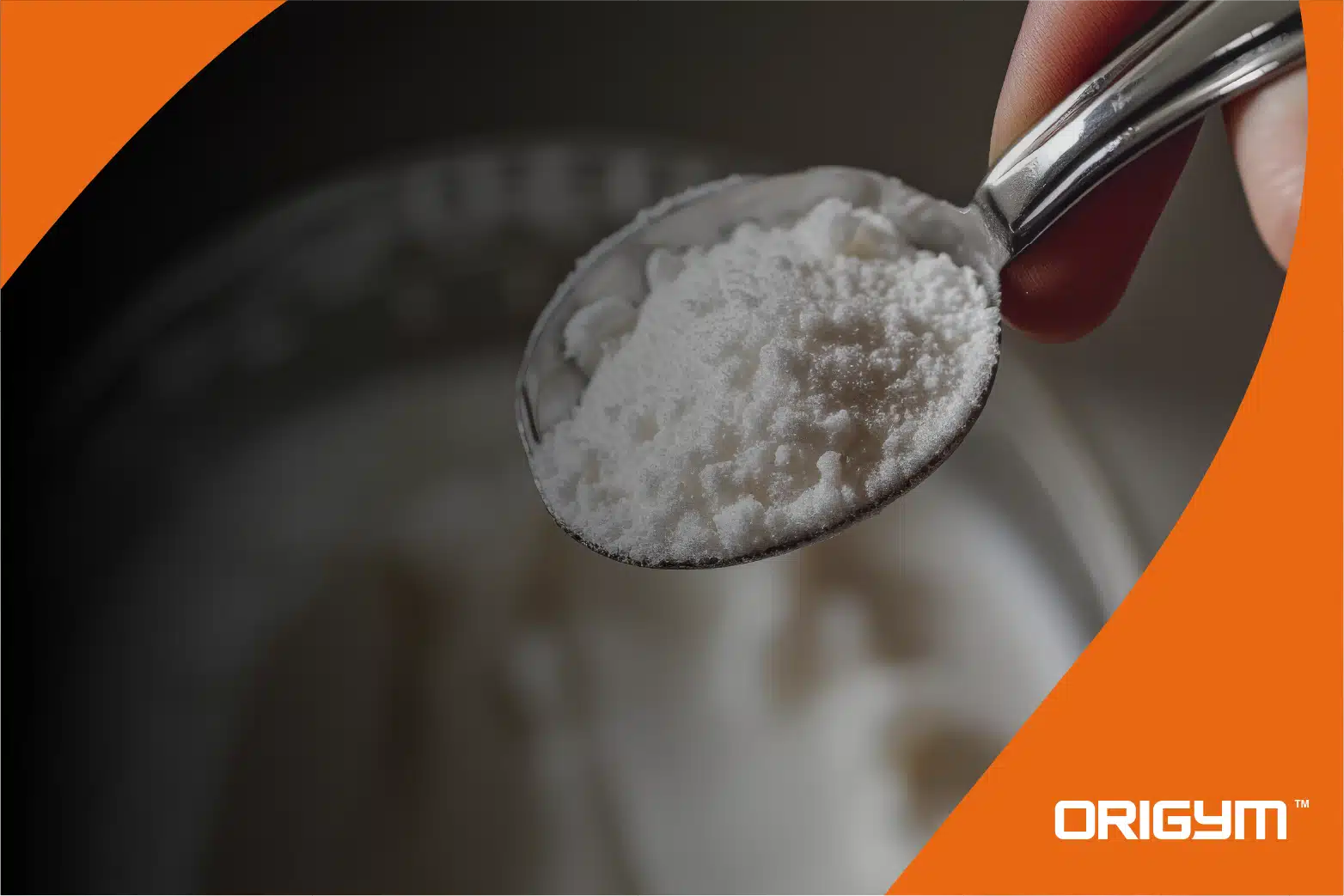
Powder is absorbed more quickly, as it dissolves in water and enters the system faster. This makes it a good option before workouts. It also allows for higher, more flexible dosing.
Capsules are more convenient, especially if you dislike the taste of powders. They are easy to take on the go and require no preparation.
When you take taurine depends on your goal. For sleep support, take it 30 to 60 minutes before bed. For performance, take it around an hour before exercise.
For general use, smaller doses taken throughout the day, typically after meals, can help maintain consistent levels.
Where To Buy Taurine

Taurine supplements are widely available and can be found in health stores, sports shops, and online. They are also often included in products like pre workouts.
When buying taurine, it’s important to check the ingredients. Look for pure taurine without added sugars, caffeine, or unnecessary additives, as these can reduce its benefits.
Powders are typically sold in larger quantities and are often more cost effective, while capsules offer a more convenient option. Popular retailers include online supplement brands and marketplaces, as well as high street health stores.
Overall, taurine is easy to source and relatively inexpensive, but choosing a clean, high quality product is key.
Ready to Join the Health & Fitness Industry?
To get started sharing your health and fitness knowledge with clients, browse our range of courses. A great place to begin your career if you’re interested in topics such as taurine intake is to complete a Level 5 Sports Nutrition Qualification.
Through the completion of this course. you can create customised meal plans for clients to help clients meet their specific goals. This could even involve creating a plan that’s high in taurine.
Find out more about our range of flexible payment and study options by downloading our free course prospectus.
Sources:
- Imagawa TF, Hirano I, Utsuki K, Horie M, Naka A, Matsumoto K, Imagawa S. Caffeine and taurine enhance endurance performance. Int J Sports Med. 2009 Jul;30(7):485-8. doi: 10.1055/s-0028-1104574. Epub 2009 May 19. PMID: 19455480.
- Zhang M, Izumi I, Kagamimori S, Sokejima S, Yamagami T, Liu Z, Qi B. Role of taurine supplementation to prevent exercise-induced oxidative stress in healthy young men. Amino Acids. 2004 Mar;26(2):203-7. doi: 10.1007/s00726-003-0002-3. Epub 2003 May 9. PMID: 15042451.
- De Carvalho FG, Galan BSM, Santos PC, et al. Taurine: A Potential Ergogenic Aid for Preventing Muscle Damage and Protein Catabolism and Decreasing Oxidative Stress Produced by Endurance Exercise. Front Physiol. 2017;8:710. Published 2017 Sep 20. doi:10.3389/fphys.2017.00710.
- Rutherford, Jane & Spriet, Lawrence & Stellingwerff, Trent. (2010). The Effect of Acute Taurine Ingestion on Endurance Performance and Metabolism in Well-Trained Cyclists. International journal of sport nutrition and exercise metabolism. 20. 322-9. 10.1123/ijsnem.20.4.322.
- Rahman MM, Park HM, Kim SJ, Go HK, Kim GB, Hong CU, Lee YU, Kim SZ, Kim JS, Kang HS. Taurine prevents hypertension and increases exercise capacity in rats with fructose-induced hypertension. Am J Hypertens. 2011 May;24(5):574-81. doi: 10.1038/ajh.2011.4. Epub 2011 Feb 3. PMID: 21293388.
- Abebe W, Mozaffari MS. Role of taurine in the vasculature: an overview of experimental and human studies. Am J Cardiovasc Dis. 2011;1(3):293-311. Epub 2011 Sep 10. PMID: 22254206; PMCID: PMC3253515.