University is not the only way you can earn a great income in Ireland. Many people are discovering routes into employment that offer a high salary without a degree.
From technology and IT to healthcare and fitness, these industries offer careers where you can achieve financial success. In this guide, we’ll explore 51 jobs you can get without needing an undergraduate degree.
Table of Contents:
- Top 51 High-Paying Jobs Without a Degree
- Technology & IT
- Construction And Trades
- Fitness Industry
- Healthcare
- Sales and Marketing
- Transportation and Logistics
- Creative and Media
- Skilled Professions and Other Sectors
- Hospitality and Retail
- Miscellaneous High-Paying Jobs
- Get Started With OriGym and Start Earning!
- FAQs
The fitness industry is rapidly growing, so if you have a passion for fitness, now’s the perfect time to become a PT.
With OriGym’s Level 4 Personal Trainer course, you can develop the skills and confidence to launch a successful career.
Top 51 High-Paying Jobs Without a Degree
In the current economic climate, more people are finding new ways to secure well-paid jobs without holding a degree in Ireland.
The cost of living, an evolving job market, and the diminishing idea that a degree is the only path to success are causing many people to explore alternative options, such as apprenticeships, vocational training, and work experience, to find a career that resonates with them.
As graduate roles become more competitive, employers are placing just as much value on practical experience and real-world skills as on formal qualifications when hiring for high-paying positions.
Technology & IT
1. IT Support Technician

Average Salary: €34,000
Starting Salary: €30,000
Highest Salary: €46,000
Job Description:
In this role, you’ll be helping people fix their computer-related issues, whether laptops, specialist programmes or the WiFi. Your goal is to ensure everything works smoothly so people can get on with their work.
Key Responsibilities:
-
-
- Respond to calls or messages when people have problems with their devices or software
- Help solve issues with computer equipment or internet connections
- Keep records of problems and how they were fixed so you can use them in the future
-
Training and Qualifications Needed:
You can get started by completing online courses to gain Microsoft 365 Certifications and CompTIA qualifications from providers like IT Online Learning:

By completing these courses, you’ll gain valuable skills that can boost your career in IT and set you on the path for further professional development.
Career Progression:
Experienced IT Support Technicians have access to a range of progression routes. With further training, you could move into areas such as network engineering or IT security.
As your skills develop, you’ll also gain the flexibility to specialise or transition into other rewarding roles across the tech industry.
2. Network Engineer
Average Salary: €57,000
Starting Salary: €42,000
Highest Salary: €77,000
Job Description:
As a Network Engineer, you’ll design and manage the systems that keep people connected, whether it’s within an office or across multiple locations.
You’ll make sure that websites run smoothly so that data can travel safely between computers.
Key Responsibilities:
-
-
- Set up and maintain the systems that connect computers
- Troubleshoot problems when things stop working properly and fix them
- Ensure that data is transferred securely and efficiently between devices and locations
-
Training and Qualifications Needed:
To start, you’ll need to complete a qualification like Cisco’s CCNA, which teaches you how to build and manage network systems:

This will help you understand how computer systems talk to each other and how to keep them secure.
With further training, such as obtaining CompTIA Network+, you can develop your skills to establish, maintain, troubleshoot, and secure networks.
Career Progression:
Experienced Network Engineers have several potential routes to advance their careers:
You could progress into senior positions such as network manager or technical architect, or specialise in high-demand areas like cybersecurity, data analysis, or software development.
With enough experience and commercial insight, some professionals choose to work as freelance consultants or launch their own IT support business.
This flexibility makes network engineering a strong foundation for a wide range of tech careers.
3. Data Analyst

Average Salary: €46,000
Starting Salary: €36,000
Highest Salary: €56,000
Job Description:
As a Data Analyst, you’ll work with numbers and statistics to help businesses make smarter decisions.
Your job will involve gathering data, spotting trends, and making sense of it all so companies know where they’re doing well and where they need to improve.
Key Responsibilities:
-
-
- Collect and organise data from different sources
- Analyse the data to find patterns or insights that can help the business
- Present your findings in reports so that this information can be used to make decisions
-
Training and Qualifications Needed:
Courses in data analysis tools and languages, such as Python courses offered by IBM, are key to getting started:

These types of courses will equip you with the skills to uncover insights and make data-driven decisions that are highly valued across industries.
Career Progression:
Data Analysts can find employment across a wide range of sectors, opening up opportunities to move into roles such as teaching or consulting.
With experience, you can also progress into more advanced positions like Data Scientist or Machine Learning Engineer, roles that typically offer greater responsibility and higher earning potential.
4. Software Developer
Average Salary: €60,000
Starting Salary: €50,000
Highest Salary: €76,000
Job Description:
As a Software Developer, you’ll be creating apps, websites, and systems people use every day.
Your job will involve writing and testing code to make sure everything works smoothly and meets the needs of users.
Key Responsibilities:
-
-
- Write and test code to build new software or improve existing programmes
- Work with teams to design software that meets users’ needs
- Fix bugs and improve performance based on user feedback
-
Training and Qualifications Needed:
You can start learning to code through online qualifications, coding bootcamps, such as JavaScript courses, offered by providers like Codecademy:

Key programming languages such as JavaScript, Python, and Java are essential for building apps, websites, and software systems.
Career Progression:
For Software Developers, common progression routes include stepping into roles such as Senior Developer or Team Leader.
If you have an entrepreneurial mindset, you could also launch your own tech consultancy or development business to boost your earning potential.
5. Cybersecurity Analyst

Average Salary: €50,000
Starting Salary: €37,000
Highest Salary: €55,000
Job Description:
In this role, you’ll be protecting systems from cyber threats, ensuring that sensitive information remains secure. You’ll monitor networks for unusual activity, respond to potential threats, and help the business stay safe from hackers.
Key Responsibilities:
-
-
- Monitor networks and systems for signs of security breaches
- Identify and respond to cyberattacks or vulnerabilities
- Advise the company on how to improve its security measures
-
Training and Qualifications Needed:
You can start by completing certifications like CompTIA Security+ or Certified Cybersecurity Technician (CCT):

These courses will teach you about security tools and techniques to develop skills to recognise threat detection, carry out risk management, and perform system protection.
Career Progression:
As a Cybersecurity Analyst, you can advance your career by progressing into senior roles such as cybersecurity lead or head of security.
Alternatively, you could pursue freelance or contract work, offering your expertise as a security consultant to multiple clients.
The growing demand for cybersecurity professionals ensures a wide range of opportunities, whether you choose to move into leadership positions or work independently.
Construction And Trades
6. Bricklayer

Average Salary: €59,000
Starting Salary: €52,000
Highest Salary: €65,000
Job Description:
As a Bricklayer, you’ll be building and repairing structures using bricks, stone, or other materials. Your job will be hands-on, and you’ll need to have an eye for detail to make sure your work is precise and long-lasting.
Key Responsibilities:
-
-
- Measure and cut materials to the right size
- Build walls, pathways, and other structures
- Repair and maintain existing buildings or structures
-
Training and Qualifications Needed:
You can complete an apprenticeship or enrol in a QQI Level 6 Craft Certificate in Brickwork. These apprenticeships and qualifications will teach you the technical skills to carry out bricklaying correctly.
Career Progression:
With experience, you could progress into supervisory or managerial roles such as Site Manager or Foreman, taking responsibility for overseeing projects and leading teams.
You might also choose to start your own business, which can significantly boost your income by allowing you to set your own hours and fees.
7. Carpenter

Average Salary: €50,500
Starting Salary: €45,000
Highest Salary: €54,700
Job Description:
As a Carpenter, you’ll work with wood to build and repair things like furniture, doors, or structural frameworks for buildings.
This job requires precision and an eye for detail, as the work needs to be both functional and aesthetically pleasing.
Key Responsibilities:
-
-
- Measure, cut, and assemble wooden structures or furniture
- Install doors, windows, and other fixtures
- Repair or replace damaged woodwork
-
Training and Qualifications Needed:
Training through an apprenticeship or a qualification such as a QQI Level 5 Major Award in Construction Technology: Carpentry & Joinery or a QQI Level 6 Advanced Craft Certificate in Carpentry & Joinery (apprenticeship) is essential.
You can learn the trade through an apprenticeship or a qualification focused on practical skills, search for opportunities using Apprenticeships Ireland’s job portal.
Career Progression:
With experience, you can progress into roles such as contract management. You may also choose to move into specialist areas like set building or the restoration of historic sites.
8. Plumber
Average Salary: €44,000
Starting Salary: €38,000
Highest Salary: €53,000
Job Description:
As a Plumber, you’ll be installing and repairing pipes, toilets, showers, and heating systems.
You’ll work in homes, businesses, and sometimes construction sites, ensuring everything works properly and meets safety standards.
Key Responsibilities:
-
-
- Install new plumbing systems or appliances
- Diagnose and fix leaks, blockages, or broken systems
- Perform safety checks and routine maintenance
-
Training and Qualifications Needed:
Plumbing apprenticeships offered by career specialists like Qualifix are a great way to get started. These courses help you learn practical skills such as installing and repairing pipes, reading technical diagrams, and ensuring systems meet safety regulations.

Career Progression:
With further training, you could develop a specialism as a Heat Pump Engineer or work with renewable energy technologies such as solar heating.
You could also gain certification from the Oil Firing Technical Association (OFTEC) to specialise in oil-fired systems.
9. Electrician

Average Salary: €52,000
Starting Salary: €45,000
Highest Salary: €61,000
Job Description:
As an Electrician, you’ll install, repair, and maintain electrical systems in homes, offices, or other buildings. Your work ensures everything from lighting to power circuits is safe and functional.
Key Responsibilities:
-
-
- Install electrical wiring, lights, and power outlets
- Diagnose and repair faults in electrical systems
- Perform safety checks to ensure systems comply with regulations
-
Training and Qualifications Needed:
To become an Electrician, a QQI Level 5 Major Award in Construction Technology, offered by colleges like Plunket College, is a requirement.
These courses will cover topics such as working with electrical materials, installing circuits, and relevant industry regulations.
This certification can help you progress to a SOLAS Electrical Apprenticeship (Level 6) and obtain a Safe Pass card which is a one day health and safety course required for all construction site workers in Ireland.
Career Progression:
There are many opportunities you can pursue after working as an electrician, including progressing into supervisory or contract management roles.
There’s also the option to transition into training and assessment, helping educate the next generation of electricians.
You can even increase your earning potential by becoming self-employed, giving you the freedom to set your own rates and choose the hours and jobs you want to work. This flexibility allows you to take greater control of your income and achieve a better work-life balance.
10. Gas Engineer
Average Salary: €48,000
Starting Salary: €39,000
Highest Salary: €50,000
Job Description:
As a Gas Engineer, you’ll install, maintain, and repair gas appliances such as boilers, heating systems, and cookers. You’ll ensure that everything runs safely and efficiently, helping to keep people’s homes and businesses warm.
Key Responsibilities:
-
-
- Install and repair gas appliances
- Perform safety checks to ensure gas systems are functioning properly
- Help customers with gas-related problems, such as heating issues
-
Training and Qualifications Needed:
To get started, you’ll need to complete a QQI Level 6 Domestic Gas Safety course, such as the one offered by METAC Training:

These qualifications will give you the skills needed to work safely with gas appliances. Once qualified, you’ll need to register with the Register of Gas Installers of Ireland (RGI) to legally work in Ireland which is a mandatory requirement and cannot be skipped.
Career Progression:
With experience, you could move into more senior roles such as Gas Safety Manager, or even become self-employed.
These managerial and self-employed positions can allow you to increase your salary as you develop new skills and broaden your expertise.
Alternatively, you can boost your income by setting up your own business and offering your services directly to the public.
Fitness Industry
11. Massage Therapist

Average Salary: €35,000
Starting Salary: €29,000
Highest Salary: €40,000
Job Description:
Massage Therapists work in various settings, like gyms, medical clinics, or even privately. Your salary will depend on where you work and the type of clients you see. Contracted roles can offer more stability but typically come with capped earnings.
In contrast, running your own business gives you the potential for higher, uncapped income based on your client base and the rates you set.
Key Responsibilities:
-
-
- Assess each client’s mobility, posture, and fitness levels to understand their specific needs
- Identify areas of pain, muscle tension, or restricted movement through hands-on assessment
- Provide tailored sports massage treatments to aid recovery, improve performance, and prevent injury
- Keep clear records of client progress and adjust treatment plans as needed
- Work closely with personal trainers, physiotherapists, or healthcare providers to support a client’s overall health and fitness goals
-
Training and Qualifications Needed:
To become a Sports Massage Therapist, you’ll need to complete an entry-level course, such as OriGym’s Diploma in Sports Massage Therapy.
This qualification teaches you about the body’s structure, how it functions, and massage techniques to relieve muscle pain.
Getting qualified will also allow you to get insurance from providers like Balens, which provides specialist cover for sports massage therapists in Ireland:

This will offer legal and financial coverage for any claims made against you, for example, if a client says your message treatments caused their injury to worsen.
Career Progression:
You can expand your services by becoming a Level 4 Personal Trainer or by completing a Level 5 Nutrition qualification.
Becoming a Level 4 Personal Trainer allows you to offer clients both fitness training and recovery support, making your services more comprehensive and appealing.
Meanwhile, a Level 5 Nutrition qualification develops your expertise in diet and wellness, helping you support clients’ overall health and potentially attract a wider client base.
Starting your own business as a sports massage therapist gives you full control over your rates, working hours, and client base, allowing for unlimited earning potential.
It also helps you build a strong personal brand, which can lead to more opportunities and long-term career growth.
12. Yoga Instructor
Average Salary: €29,300
Starting Salary: €27,380
Highest Salary: €34,500
Job Description:
Yoga instructors guide students through physical poses, breathing exercises, and relaxation techniques. In this role, you can teach in gyms, yoga studios, wellness centres, or set up your own business.
Key Responsibilities:
-
-
- Lead one-on-one or group yoga sessions
- Adjust your classes based on students’ abilities and needs
- Teach the history and philosophy behind yoga practices.
-
Training and Qualifications Needed:
To teach yoga professionally, you’ll need a yoga qualification, which will also allow you to get insurance from providers like Yoga Alliance Professionals:
This will cover you against claims related to injury, property damage, or advice given during your sessions, whether you teach in-person or online.
Career Progression:
With more experience, you could broaden your expertise by qualifying as a Level 4 Personal Trainer.
With these additional skills, you can offer more comprehensive support to your clients by expanding the services and packages you offer, making you a more versatile fitness professional and increasing your earning potential.
13. Team Sports Coach

Average Salary: €43,500
Starting Salary: €33,100
Highest Salary: €52,000
Job Description:
A Sports Coach trains individual athletes and teams, helping to improve their performance and skills with guided techniques.
Whether you’re working with beginners or professionals, you’ll help to hit their fitness goals and improve their overall performance.
Key Responsibilities:
-
-
- Plan and lead training sessions that help athletes improve
- Analyse how players perform and give feedback for growth
- Create strategies for game situations and manage the day-to-day activities of the team
- Ensure player safety and injury prevention during training and games.
-
Training and Qualifications Needed:
To become a Sports Team Coach, the qualifications required can vary depending on the employer. Some may ask for a Sport Ireland Coaching Award, such as this Hockey Coach position at Headfort School:
It’s important to research the specific requirements for the role you’re interested in, as different teams or organisations may have varying expectations.
These types of qualifications are useful as they will help you gain practical coaching skills to develop and run coaching sessions.
You may need other certifications, such as a qualification in first aid training, to help you treat any clients with injuries that don’t require immediate medical assistance.
Career Progression:
A Team Sports Coach can progress into a range of community-based roles, depending on their experience and qualifications.
These opportunities reflect the diverse paths available to sports coaches who have built up years of experience or undertaken further training.
14. Personal Trainer
Job Description:
Personal Trainers create and deliver bespoke workout programmes tailored to individual clients, helping them reach their fitness goals.
You’ll offer advice on exercise, nutrition, and overall health, working closely with clients during one-on-one sessions.
Key Responsibilities:
-
-
- Assess your client’s fitness and create a tailored workout plan
- Provide hands-on training and monitor client progress
- Offer advice on nutrition and lifestyle changes to improve fitness
- Track clients’ progress and modify their programmes as necessary
- Help clients stay motivated and accountable for their fitness journeys
-
Training and Qualifications Needed:
To become a Personal Trainer, you’ll need to obtain a Level 4 Personal Trainer Qualification. To enrol on this course, you’ll first need to have a Level 2 Gym Instructor Certification.
This provides foundation training in exercise science and client instruction needed to progress to more advanced training.
This will allow you to train clients and secure insurance from providers like Public Liability, which will protect you from any claim, such as if a client says they were injured following your training:

Career Progression:
Once you’ve gained experience as a PT, you can go on to earn specialist Level 4 qualifications in areas such as Lower Back Pain or Advanced Sports Nutrition. In doing so, you can add additional services to your business and increase your potential client pool.
Starting your own business allows you to set your own rates and work hours, which can help to significantly increase your income.
It gives you the ability to diversify your services and build a strong client base, allowing you to increase both your income and business opportunities.
15. Gym Owner

Average Salary: €40,000
Starting Salary: €39,000
Highest Salary: €42,000
Job Description:
A Gym Owner is responsible for running the daily operations of a fitness centre, from memberships to equipment and staff management.
You can start your own gym with strong business skills as well as fitness knowledge to succeed in this role.
Key Responsibilities:
-
-
- Oversee day-to-day operations, ensuring customers have a great experience
- Manage memberships, sales, and marketing efforts
- Hire, train, and manage staff to keep the gym running smoothly
- Ensure the gym is safe, clean, and compliant with health regulations
-
Training and Qualifications Needed:
While this is one of the best jobs without a degree in Ireland, having a background in business management can help you run your gym more efficiently and make strategic decisions.
Health and safety certifications, along with fitness qualifications like a Level 4 Personal Trainer, will provide you with industry specific training.
With this experience, you can apply for entry level positions, network with other fitness professionals and ensure you provide the best possible service to clients.
Career Progression:
As a Gym Owner, you could expand by opening additional locations or turning your gym into a franchise, allowing you to maximise your earning potential.
16. Nutritionist
Average Salary: €32,000
Starting Salary: €28,000
Highest Salary: €45,000
Job Description:
By Becoming a Nutritionist you can advise clients on food and diet to help them improve health, performance, and prevent disease.
Part of this role will involve the creation of bespoke meal plans that have been tailored to your clients’ specificities in order to help them achieve their goals.
Nutritionists can work in various settings, such as hospitals, gyms, and private practices, making for a dynamic career.
Key Responsibilities:
-
-
- Assess the client’s current diet and health needs
- Create personalised meal plans that align with clients’ goals
- Help clients make healthier food choices
- Stay up-to-date with the latest nutrition research and trends
- Ensure clients adhere to their dietary plans for optimal health
-
Training and Qualifications Needed:
Vocational training qualifications like the Level 5 Sports Nutrition course can help you develop the skills you need to kickstart a career. Once qualified you’ll be more confident in offering nutrition coaching and creating bespoke meal plans.
Career Progression:
As a Nutritionist, you have the option to open your own business, allowing you to work independently and build your client base.
Additionally, you can also develop a specialism by completing further qualifications, such as a Level 4 Personal Training Course. Through completing this, you can expand your services and cross refer clients offering workout programmes that compliment their existing meal plans.
Healthcare
17. Nursing Associate
Average Salary: €62,700
Starting Salary: €44,350
Highest Salary: €77,720
Job Description:
A Nursing Associate works alongside registered nurses, providing hands-on care and supporting patients in various healthcare settings.
You’ll act as an integral part of the team, bridging the gap between healthcare assistants and registered nurses.
Key Responsibilities:
-
-
- Support patient care by assisting with personal care, rehabilitation, and daily activities to promote comfort and recovery
- Monitor patient conditions, administer treatments or medications, and report any changes to senior staff
- Communicate with patients, families, and healthcare teams while maintaining accurate care records
-
Training and Qualifications Needed:
To become a Healthcare Assistant, you can complete a QQI Level 5 Healthcare Support course offered by institutions like Chevron Training:

Whilst these courses are typically offered by higher education providers they are not degrees. During the course you’ll gain essential clinical skills, communication, and knowledge of health conditions through a combination of classroom learning and hands-on placements.
Career Progression:
After becoming a Nursing Associate, you can progress your career by completing additional qualifications to become a registered nurse.
This can open up opportunities to specialise in areas such as paediatric nursing, mental health, or intensive care.
18. Firefighter
Average Salary: €50,000
Starting Salary: €37,000
Highest Salary: €72,000
Job Description:
A Firefighter’s primary role is to protect lives and property by responding to fires, accidents, and emergencies.
The role also involves conducting risk assessments, educating the public about fire safety, and maintaining the necessary equipment and vehicles used on a daily basis.
Key Responsibilities:
-
-
- Respond to emergency calls, including fires, accidents, and hazardous situations
- Rescue people and animals from dangerous scenarios
- Conduct fire risk assessments and prevention inspections for homes and businesses
- Maintain firefighting equipment, including hoses, vehicles, and protective gear
- Provide fire safety education to the public and businesses
-
Training and Qualifications Needed:
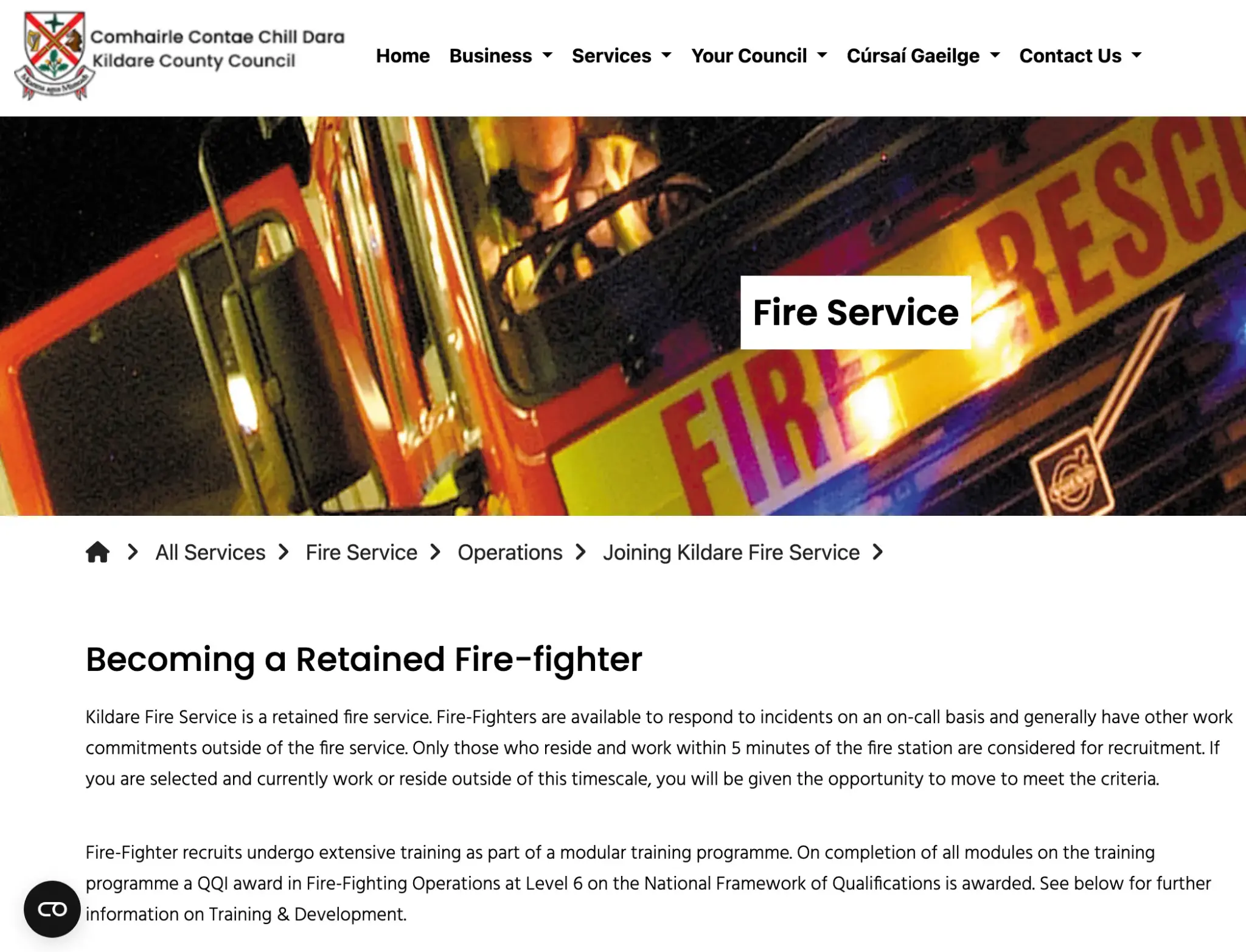
To become a Firefighter, you typically need to complete a Level 6 Firefighting Operations programme, such as the one offered by Kildare County Council:
Career Progression:
Firefighters can progress in their profession by becoming a Crew Manager, Station Manager, or moving into other leadership positions.
You can also advance into senior firefighter roles or specialise in areas such as urban search and rescue.
19. Police Officer
Average Salary: €67,000
Starting Salary: €57,000
Highest Salary: €75,000
Job Description:
A Police Officer is responsible for maintaining law and order, protecting the public, and investigating crimes.
This role involves responding to emergencies, enforcing the law, and engaging with the community to prevent crime.
Key Responsibilities:
-
-
- Respond to emergency calls, crimes, and incidents
- Conduct investigations, gather evidence, and interview suspects
- Arrest individuals and conduct searches following the law
- Write reports, case files, and prepare for court proceedings
- Work with community members to prevent and solve local crime issues
-
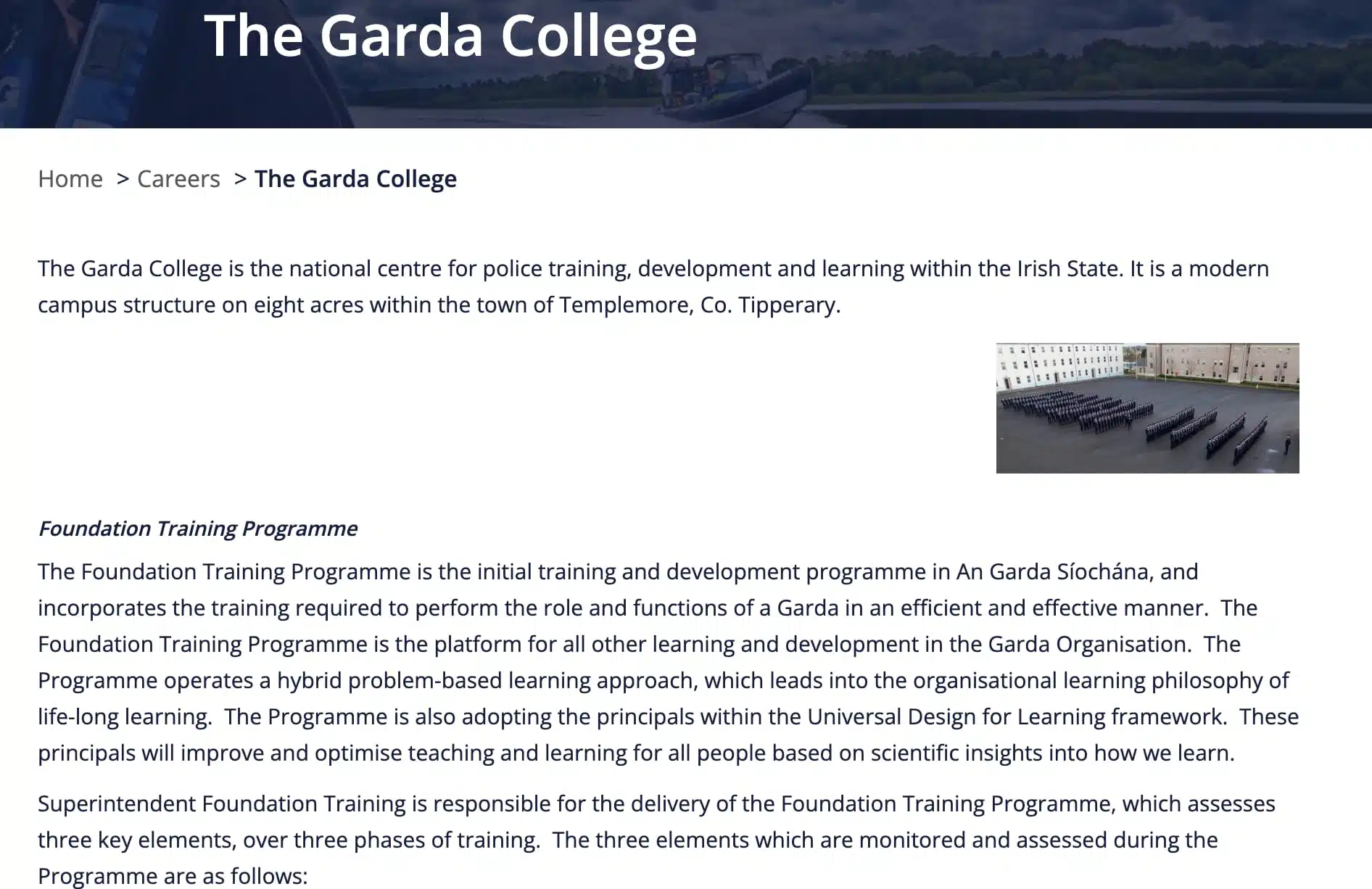
Training and Qualifications Needed:
Career Progression:
A police officer can progress their career by specialising in areas of policing such as criminal investigation, counter-terrorism, or other specialised units.
20. Paramedic
Average Salary: €51,000
Starting Salary: €36,000
Highest Salary: €71,000
Job Description:
A Paramedic provides life-saving medical treatment at the scene of accidents and emergencies.
The role is critical in stabilising patients and transporting them to appropriate healthcare facilities, often in high-pressure environments.
Key Responsibilities:
-
-
- Respond to emergency medical calls, providing treatment to patients at the scene
- Administer first aid and life support treatments to stabilise patients
- Transport patients safely to hospitals or medical facilities
- Work in coordination with other emergency services during incidents
- Maintain detailed patient records and report on treatments given
-
Training and Qualifications Needed:
Career Progression:
Paramedics can advance their careers within a few years by becoming a Team Leader or an Emergency Care Practitioner.
These roles offer the opportunity to increase your earnings by taking on leadership responsibilities, developing specialised clinical skills, and managing more complex situations.
21. Dental Hygienist
Average Salary: €55,000
Starting Salary: €50,000
Highest Salary: €70,000
Job Description:
A Dental Hygienist specialises in oral health by providing professional cleaning services and educating patients on how to maintain good oral hygiene.
This role includes cleaning teeth, examining gums, and offering preventative treatments to protect against oral disease.
Key Responsibilities:
-
-
- Perform scale and polish treatments to remove plaque and tartar buildup
- Educate patients on brushing, flossing, and oral care techniques
- Apply preventative treatments such as fluoride and sealants to protect teeth
- Monitor oral health and detect signs of disease, reporting any concerns to the dentist
- Keep accurate patient records and document treatments provided
-
Training and Qualifications Needed:
Career Progression:
Dental Hygienists can progress into a range of management and specialist roles within the dental field.
With additional training and experience, you can move into higher-paying positions such as Practice Manager, or specialise in areas like Dental Therapy or teaching.
Sales and Marketing
22. Sales Executive
Average Salary: €45,000
Starting Salary: €31,000
Highest Salary: €76,000
Job Description:
As a Sales Executive, you will be responsible for driving company revenue, identifying new business prospects, presenting products or services, and securing deals to meet organisational sales goals.
Key Responsibilities:
-
-
- Identify new sales opportunities and follow up on leads
- Deliver persuasive sales presentations
- Negotiate pricing and contract terms
- Maintain strong relationships with existing clients
- Meet and exceed sales targets
-
Training and Qualifications Needed:
You don’t need formal qualifications to become a Sales Executive. However, completing a QQI Level 5 Business Development & Sales course with a provider like CMIT can boost your chances of getting hired and help you build valuable skills for the role.
This will help you understand sales techniques and strategies to help you thrive in your next role after completing your course.
Career Progression:
You can progress your career as a Sales Executive by moving into a management or training role, supporting and guiding new team members.
With further training and professional development, you can boost your earning potential by advancing into senior management roles or taking on leadership positions that involve mentoring and training others in sales.
23. Digital Marketer
Average Salary: €46,000
Starting Salary: €35,000
Highest Salary: €56,000
Job Description:
As a Digital Marketer, you’ll be planning and executing online campaigns that raise awareness, drive traffic, and boost sales for your employers.
Key Responsibilities:
-
-
- Create and manage digital advertising campaigns
- Develop SEO strategies and optimise content
- Analyse campaign performance using analytics tools
- Manage social media accounts and content calendars
- Collaborate with designers, writers, and other marketers
-
Training and Qualifications Needed:
You could complete a Digital Marketing (QQI Level 5) course such as this one offered by The Open College, Dublin.
This qualification will equip you with the practical skills needed to effectively manage digital marketing campaigns and optimise social media strategies.
Career Progression:
You can progress your career in digital marketing by moving into roles such as Marketing Manager or Digital Marketing Executive.
These positions can help you secure a higher salary as you take on more strategic responsibilities, lead teams, and drive key marketing initiatives that contribute to business growth.
24. SEO Specialist
Average Salary: €43,000
Starting Salary: €32,000
Highest Salary: €53,000
As an SEO Specialist, you’ll focus on improving a website’s visibility in search engines by optimising content, enhancing technical performance, and building authoritative backlinks.
Key Responsibilities:
-
-
- Conduct keyword research and competitor analysis
- Optimise on-page elements like titles, meta descriptions, and images
- Build backlinks through outreach and partnerships
- Monitor SEO performance and report results
- Stay updated with search engine algorithm changes
-
Training and Qualifications Needed:
You could complete a vocational course like this one offered by the Digital Marketing Institute, to help you get started:

Career Progression:
You can progress your career as an SEO Specialist by pursuing management or head of digital roles. This will allow you to experience a greater earning potential through increased responsibility and strategic oversight.
25. Social Media Manager

Average Salary: €39,000
Starting Salary: €29,000
Highest Salary: €52,000
Job Description:
In this role, you’ll manage brand presence across social media platforms such as Instagram, Facebook and TikTok, to name a few. Your main responsibility will be to engage audiences and grow online communities.
Key Responsibilities:
-
-
- Develop social media strategies aligned with brand goals.
- Create engaging posts, stories, and videos
- Manage social media calendars and posting schedules
- Monitor audience engagement and respond to comments
- Analyse metrics to refine future strategies
-
Training and Qualifications Needed:
You could complete a QQI Level 6 Social Media Marketing course offered by CMIT in Ireland to develop advanced skills in managing and optimising social media campaigns:
Career Progression:
There are opportunities you can pursue as a Social Media Marketing professional, including becoming a head of social media or strategist:
These roles offer the chance to lead campaigns, shape brand strategy, and increase your earning potential as you advance in the field.
——
If you’re enjoying this article, why don’t you give these ones a read?
- Personal Trainer Job Description Explained
- How Long Does it Take to Become a Personal Trainer?
- Career Change to a Personal Trainer Role
26. Recruitment Consultant
Average Salary: €43,000
Starting Salary: €35,000
Highest Salary: €57,000
Job Description:
As a Recruitment Consultant, you’ll work on behalf of employers to find and attract the most suitable candidates for job vacancies.
Your role involves sourcing talent, reviewing applications, and arranging interviews to help businesses fill roles across a range of industries.
Key Responsibilities:
-
-
- Identify job openings and client needs
- Source and screen candidates through interviews and assessments
- Match candidates to appropriate job vacancies
- Manage relationships with clients and candidates
- Negotiate salaries and employment terms.
-
Training/Certifications Needed:
You can enrol on the National College of Ireland’s ERF Recruitment Apprenticeship, a three-year Level 8 degree in Recruitment Practice that combines four days a week of paid work as a Recruitment Executive with one day of virtual or on-campus study.
This programme helps you develop communication, sales, and relationship-management skills to succeed as a recruitment consultant.
Career Progression:
Recruitment Consultants can pursue different career opportunities. You have the potential to move into business development and management roles as they advance in your careers. This progression can lead to increased earning potential and greater responsibility within recruitment or by setting up your own business.
Transportation and Logistics
27. HGV Driver

Average Salary: €41,000
Starting Salary: €36,000
Highest Salary: €49,000
Job Description:
As an HGV Driver, you’ll operate heavy goods vehicles, following schedules and complying with transport regulations.
Key Responsibilities:
-
-
- Plan routes and delivery schedules
- Load and unload cargo safely
- Complete vehicle safety checks before journeys
- Keep accurate logs of driving hours and mileage
- Comply with transport and safety regulations
-
Training and Qualifications Needed:
To become an HGV driver, you must be over 18 years of age to meet the legal driving requirements – e.g. you must hold a full Irish driver’s licence as a prerequisite. In addition, obtaining an HGV licence to operate heavy goods vehicles and completing a Driver Certificate of Professional Competence (CPC) training.
Together, these requirements ensure you have the legal clearance, foundational driving skills, and specialised training needed to safely and effectively drive HGVs.
Career Progression:
You could complete extra training to handle more hazardous materials or even explore self-employment opportunities:
With extra training or by specialising in certain types of deliveries, you can access more flexible career paths and move into higher-paying roles.
You could also choose to set up your own delivery business, giving you greater control over your workload and income.
28. Delivery Manager

Average Salary: €78,000
Starting Salary: €56,000
Highest Salary: €97,000
Job Description:
Working as a Delivery Manager involves coordinating transportation, managing delivery teams, and optimising supply chain operations.
Key Responsibilities:
-
-
- Schedule and monitor deliveries
- Manage teams of drivers and couriers
- Resolve customer service issues related to deliveries
- Improve delivery processes for speed and efficiency
- Ensure compliance with health and safety standards
-
Training and Qualifications Needed:
You can complete a ScrumMaster certification from providers like Scrum Alliance to formally validate your knowledge of agile project management:

This qualification teaches you key skills such as agile planning, team facilitation, problem-solving, and effective communication within cross-functional teams.
Career Progression:
You could progress into Senior and Head of Delivery positions after working in the role for 5-8 years, according to Jobicy:

With long-term commitment and experience, these roles offer greater financial rewards and increased responsibility, reflecting your expertise in leading complex projects and delivery teams.
29. Courier Business Owner

Average Salary: €63,000
Starting Salary: €37,000
Highest Salary: €105,000
Job Description:
You’ll run your own courier company, delivering packages quickly and reliably for clients in your local area and across the country.
Key Responsibilities:
-
-
- Organise and dispatch delivery schedules
- Hire and manage delivery drivers
- Maintain vehicles and equipment
- Manage customer relationships and service standards
- Handle business administration and finances
-
Training and Qualifications Needed:
You’ll need a full Irish Driver’s Licence and a Road Transport Operator Licence to legally operate and manage commercial vehicles.
These licences ensure that you meet the necessary legal and safety requirements for transporting goods on public roads.
Additionally, Commercial Van Insurance from providers like AXA is required to protect both your vehicle and the goods you’re transporting, covering any potential damages or liabilities.
Career Progression:
30. Train Driver

Average Salary: €48,000
Starting Salary: €35,000
Highest Salary: €56,000
Job Description
Working as a Train Driver involves safely transporting riders from one location to another, adhering to schedules and regulations while delivering excellent service.
Key Responsibilities:
-
-
- Operate trains according to schedules
- Monitor instruments and respond to signals
- Ensure passenger safety and comfort
- Conduct safety inspections before departure
- Communicate with control centres and station staff
-
Training and Qualifications Needed:
You can complete an apprenticeship with Ireland Rail.
This teaches you the essential skills needed for train operations, customer service, safety protocols, and maintenance, preparing you for a variety of roles within the rail industry.
Career Progression:
You can progress your career as a train driver by training new starters or by moving into management roles. These roles offer increased responsibilities and may lead to higher salaries and greater earning potential.
31. Pilot
Average Salary: €106,000
Starting Salary: €59,000
Highest Salary: €148,000
Job Description:
As a pilot, you’ll be responsible for flying aeroplanes, ensuring flight safety, navigation, and smooth operations
Key Responsibilities:
-
-
- Conduct pre-flight inspections and briefings
- Navigate aircraft safely according to flight plans
- Communicate with air traffic control during flights
- Monitor weather conditions and adjust flight paths
- Ensure passenger safety and compliance with aviation regulations
-
Training and Qualifications Needed:
You need to have an Airline Transport Pilot Licence for Aeroplanes issued by the Irish Aviation Authority (IAA), which is a higher-level certification that qualifies you to act as the pilot-in-command of commercial airliners.
Additionally, you can also gain your Multi-crew Pilot Licence for Aeroplanes. This is designed for pilots who will operate in a multi-crew environment, typically as a co-pilot.
While both licences allow you to fly aeroplanes, the ATPL provides broader qualifications and is required for senior pilot roles, whereas the MPL is tailored to multi-pilot operations.
You’ll also need to complete training for the exact aircraft you’ll be flying. For example, if you wanted to work for Aer Lingus, this would be the Airbus A320.
These licences and training are essential to ensure that you meet the strict regulatory and safety requirements for operating commercial aircraft, ensuring both your qualifications and the safety of passengers are upheld.
Career Progression:
After working as a pilot, your career can progress by becoming an airline captain after completing the recommended amount of hours:
This is because senior pilot roles involve greater responsibilities, including managing larger aircraft, overseeing flight operations, and ensuring the safety of a larger crew and passengers, all of which are reflected in higher compensation.
Creative and Media
32. Copywriter

Average Salary: €42,000
Starting Salary: €31,000
Highest Salary: €52,000
Job Description:
Copywriters are responsible for crafting persuasive and engaging content for websites, advertisements, emails, and marketing campaigns.
Key Responsibilities:
-
-
- Review client briefs to ensure clear project scope and objectives
- Collaborate with designers and marketing to create copy that meets project goals
- Write engaging, on-brand social media content
- Update and rewrite the website and company materials for accuracy and clarity
- Liaise with clients and suppliers to confirm correct product information
-
Training and Qualifications Needed:
If you have a qualification in marketing, such as the QQI Level 5 Certificate in Marketing offered by PLC Courses Ireland:
This will help understand writing content for SEO purposes and how to follow specific guidelines and requirements outlined by the brand.
Career Progression:
After working an entry-level position, you could pursue a career writing for specialist areas such as legal, financial, and medical copywriting. Over time, you could use your experience and skills to apply for Senior Copyrighter positions.
These positions offer higher salaries because they require specialised knowledge, advanced writing skills, and the ability to create content tailored to complex industries, which adds significant value to employers and their target audiences.
33. Photographer

Average Salary: €44,000
Starting Salary: €37,000
Highest Salary: €58,000
Job Description:
You’ll capture moments, products, or people through photography, for either commercial or artistic purposes.
Key Responsibilities:
-
-
- Plan and conduct photo shoots
- Edit and retouch photos using editing software
- Set up lighting, backgrounds, and props
- Manage client consultations and requirements
- Market photography services and build a portfolio
-
Training and Qualifications Needed:
There are plenty of college courses you can enrol in to enhance your employability, such as the Photography & Content Creation course (QQI Level 5 & 6) offered by Ballyfermot College of Further Education:
These classes help you gain technical skills in using professional cameras, lighting techniques, and—because students have full access to Adobe Creative Cloud—they also teach you how to edit images using Adobe Photoshop and Lightroom.
The skills you develop will better prepare you to take on client projects and meet a variety of needs. Additionally, during these sessions you can build a portfolio to showcase your skills, creativity, and style to prospective employers.
Career Progression:
You could take your career as a photographer to the next level by setting up your own business or by becoming a specialist photographer working in areas such as journalism or with emergency services.
Starting your own business or specialising in photography can boost employment opportunities by helping you target niche markets, build a personal brand, and gain a strong reputation, leading to more demand and higher earnings.
34. Graphic Designer
Average Salary: €36,000
Starting Salary: €31,000
Highest Salary: €43,000
Job Description:
You’ll be responsible for designing visual assets like logos, marketing materials, and digital graphics to communicate ideas creatively.
Key Responsibilities:
-
-
- Develop graphics for websites, ads, and print
- Create brand visuals like logos and typography
- Collaborate with clients or creative teams
- Revise designs based on feedback
- Stay updated with design trends and software
-
Training and Qualifications Needed:
You could find a training centre that runs the QQI Level 5 Certificate in Graphic Design offered by the FET College at the City of Dublin.
These courses can help you develop foundational design skills, creativity, and technical knowledge that employers look for in entry-level graphic design roles. This can also be useful if you don’t have a strong portfolio and are looking to secure a position with a company.
However, if you already have a portfolio that demonstrates your skills and mastery of Photoshop, Illustrator, and Figma, you’ll be in a good position to apply for jobs.
Career Progression
Once you’ve gained enough experience, you’ll be able to apply for a senior or director position in a creative department after working as a Graphics Designer.
This progression is possible due to the experience gained in managing design projects, leading teams, and developing strategic creative solutions, which are essential for higher-level roles in the creative industry.
35. Videographer

Average Salary: €35,000
Starting Salary: €30,000
Highest Salary: €47,000
Job Description:
A videographer is responsible for capturing high-quality video footage for a variety of projects, from corporate videos to weddings and documentaries.
You’ll operate cameras, manage lighting and sound, and often handle post-production editing.
Key Responsibilities:
-
-
- Operating video cameras and other recording equipment
- Ensuring proper lighting and sound quality
- Editing video footage to create a final product
- Collaborating with clients or directors to meet project objectives
- Managing the technical aspects of filming, such as lens selection and framing
-
Training and Qualifications Needed:
Similar to a Graphic Designer, if you already have a strong portfolio that demonstrates your skills, you won’t necessarily need formal training.
However, if you’re new to the role and don’t yet have a portfolio, completing a QQI Level 5 Certificate in Media Production offered by institutions like FET College at the City of Dublin, can support your job search.
This will provide you with practical skills in digital media, video production, and technical editing. It’ll give you the foundation needed to create a strong portfolio and enhance your job prospects in the media industry.
Career Progression:
After starting in your videographer role, you can become a lead cinematographer or creative director by applying for these positions on job sites like LinkedIn and Reed.
Other specialist sites like Staff Me Up and Production Hub also advertise roles tailored for videographers:

These sites offer access to a wide range of job listings and industry-specific resources, helping you connect with employers and explore career advancement opportunities that can significantly increase your earning potential as you move into higher-level roles.
36. Music Producer

Average Salary: €65,400
Starting Salary: €65,400
Highest Salary: €110,050
Job Description:
A music producer oversees the creation of music tracks and albums. The role involves guiding the recording process, assisting with arranging music, and working with artists to develop their sound.
Key Responsibilities:
-
-
- Collaborating with musicians to develop their sound and style
- Managing the recording, mixing, and mastering of tracks
- Selecting and arranging musical components
- Overseeing the budgeting and scheduling of studio sessions
- Assisting with marketing and distribution strategies for music releases
-
Training and Qualifications Needed:
Many music producers are self-taught and have developed their skills through experimentation and using platforms like YouTube and Skillshare to build their skills.
However, if you want to undergo formal training to boost your career prospects with recognised institutions, you could complete a Music Performance and Production course at colleges like GTI.
A course like this provides you with structured learning, hands-on experience, and industry-recognised qualifications that can enhance your technical abilities and improve your career prospects in the music industry.
Career Progression:
Working as a Music Producer offers you a great opportunity to work in different areas of the media industry. This includes carrying out live sound engineer work as well as performing sound engineering work.
By gaining experience in multiple areas of the media industry, such as live sound engineering and sound production, you can expand your skill set and take on higher-paying roles.
This can help you increase your salary through different opportunities and by possessing specialised expertise.
Skilled Professions and Other Sectors
37. Private Tutor

Average Salary: €45,000
Starting Salary: €39,000
Highest Salary: €59,000
Job Description:
A private tutor provides one-on-one educational support to students in various subjects. Tutors tailor lessons to the individual needs of their students to help them improve academically or prepare for specific exams.
Key Responsibilities:
-
-
- Assessing the student’s needs and learning style
- Creating personalised lesson plans
- Teaching and explaining subject matter
- Tracking student progress and adjusting lessons accordingly
- Preparing students for tests and exams
-
Training and Qualifications Needed:
This is another one of the highest-paying jobs in Ireland without a degree. No formal qualifications are needed to work as a private tutor, however, it’s beneficial to have certificates that demonstrate your knowledge of the subject you wish to teach.
For example, having demonstrable qualifications in Mathematics will increase your chances of being hired as a Maths tutor.
Career Progression:
You could explore further employment opportunities in community education for adults or through vocational assessment:
38. Flight Attendant

Average Salary: €31,000
Starting Salary: €22,000
Highest Salary: €156,000
Job Description:
As a flight attendant, you’ll ensure the well-being and comfort of passengers during flights. You’ll also provide customer service, deliver safety instructions, and assist in emergencies.
Key Responsibilities:
-
-
- Conducting safety checks and ensuring compliance with aviation regulations
- Assisting passengers with boarding and settling in
- Serving food, drinks, and addressing passenger needs
- Responding to emergencies and providing first aid if necessary
- Maintaining a positive and professional demeanour throughout the flight
-
Training and Qualifications Needed:
To work as a flight attendant in Ireland, you’ll need to complete Cabin Crew training and earn a valid Cabin Crew Attestation (CCA), as required under EU regulations and issued by the IAA. Airlines like Aer Lingus run their own intensive training programmes at their Training Academy to help you meet these standards.
Career Progression:
After working as a Flight Attendant, you can expand your career by taking on a supervisor or senior cabin crew role:
These roles allow you to take on more leadership responsibilities, such as managing a team of cabin crew and overseeing flight operations, all of which can lead to greater career advancement and higher earning potential.
39. Estate Agent

Average Salary: €60,000
Starting Salary: €34,000
Highest Salary: €261,000
Job Description:
An estate agent facilitates the buying, selling, or renting of properties. You’ll work with clients to find suitable properties and handle negotiations between buyers and sellers.
Key Responsibilities:
-
-
- Assisting clients in buying, selling, or renting properties
- Conducting property viewings and managing listings
- Negotiating contracts and prices between parties
- Providing market advice and pricing guidance
- Handling paperwork and ensuring legal compliance
-
Training and Qualifications Needed:
There are no formal qualifications required to become an estate agent, making it one of the best jobs in Ireland.
However, qualifying with a relevant apprenticeship or qualification can help.
For example, you can complete the Auctioneering & Property Services Level 6 Apprenticeship, which is accessible through the Apprenticeship.ie portal.
This qualification provides you with essential knowledge of property law, sales techniques, and lettings practices. It also enhances your credibility and improves your prospects in the competitive estate agent industry.
Career Progression:
There are different pathways you can use to progress your career in the real estate sector. You could become a senior negotiator or a lettings manager:
Progressing to roles like senior negotiator or lettings manager can lead to higher salaries, increased responsibilities, and opportunities to manage larger teams or oversee more complex property portfolios, enhancing both career growth and earning a higher salary
40. Property Developer
Average Salary: €38,000
Starting Salary: €36,000
Highest Salary: €39,000
Job Description:
Property developers purchase land or buildings to renovate, improve, and resell or rent for profit. They oversee the entire development process from planning to marketing.
Key Responsibilities:
-
-
- Identifying and purchasing land or properties for development
- Managing the planning and design process
- Overseeing construction and renovation projects
- Handling permits and legal requirements
- Marketing properties and selling or leasing them to buyers
-
Training and Qualifications Needed:
As a property developer, you’ll benefit from having an understanding of how the property market works. This involves knowledge of construction, planning permission, and local regulations.
If you’re looking to enhance your CV for future roles, you could also benefit from completing a Higher Certificate in Construction from Munster Technological University. This course covers construction technology, environmental building practices, construction law, project management, and cost planning — all essential skills for managing property development projects.
This qualification provides you with a deeper understanding of property development processes, construction techniques, and legal requirements.
It can help you stand out to potential employers and improve your chances of securing higher-level opportunities in the industry.
Career Progression:
If you’re interested in taking your career in property development further, you could become a Contractor or an Estate Agent:
Pursuing roles like Contractor or Estate Agent allows you to specialise in high-value areas of the property market.
It can help increase your potential to earn a higher salary through commissions, project profits, or managing larger developments.
41. Entrepreneur

Average Salary: €45,000
Starting Salary: €40,000
Highest Salary: €55,000
An entrepreneur creates, launches, and runs a business. You’ll be responsible for taking on financial risks to generate profits. They operate across any industry, from idea to execution.
Key Responsibilities:
-
-
- Developing business ideas and identifying opportunities
- Raising capital and managing finances
- Creating business plans and strategies
- Overseeing operations, marketing, and sales
- Hiring and managing employees
-
Training and Qualifications Needed:
There are no formal qualifications to become an entrepreneur; however, having critical thinking skills, creativity, leadership, and problem-solving skills can help you succeed.
Career Progression:
After growing your business, you could progress your career further by starting a new business or becoming an investor in other companies.
Hospitality and Retail
42. Butcher
Average Salary: €28,000
Starting Salary: €22,000
Highest Salary: €38,000
Job Description:
A butcher prepares, cuts, and sells meat, ensuring quality and hygiene. In this role, you may work in shops, supermarkets, or independently.
Key Responsibilities:
-
-
- Cutting, deboning, and preparing meat for sale
- Maintaining a clean and sanitary work environment
- Advising customers on meat selection and preparation techniques
- Packaging and labelling meat products
- Ensuring compliance with food safety regulations
-
Training and Qualifications Needed:
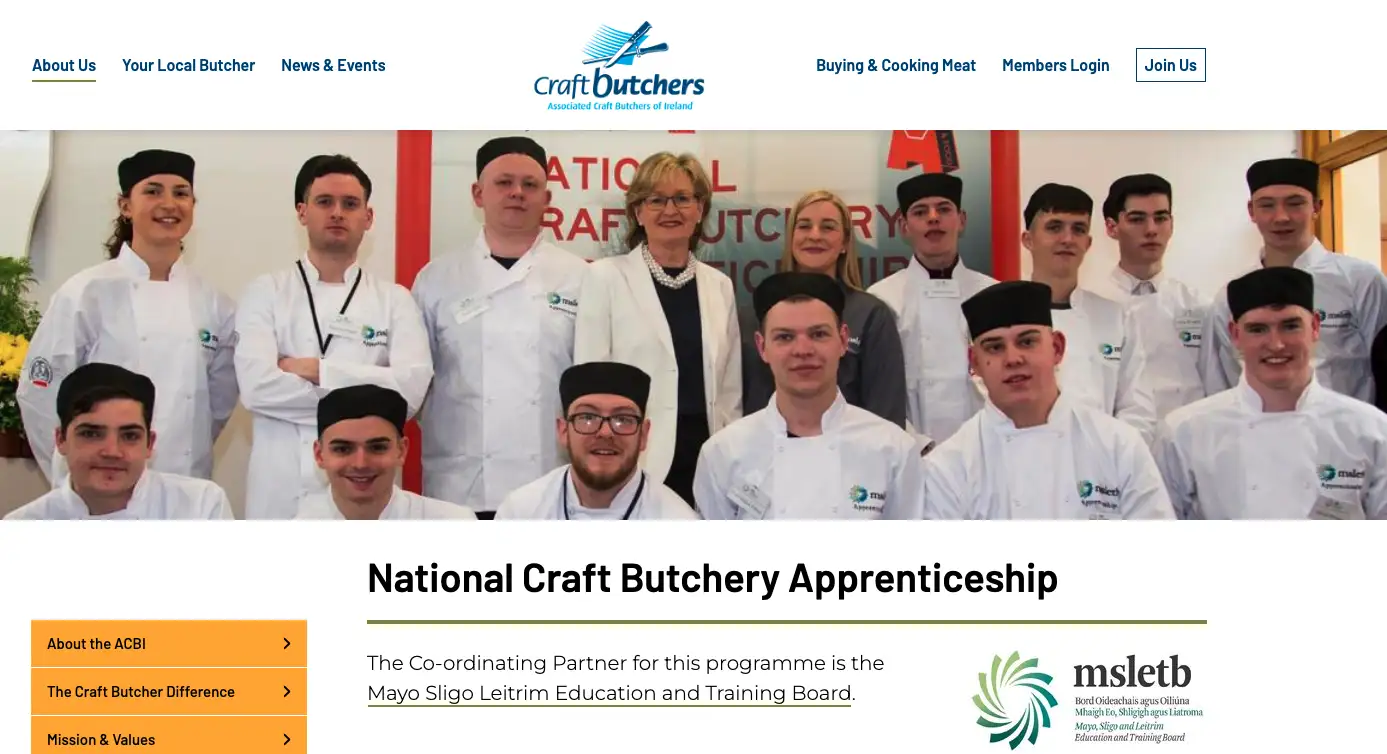
Vocational training in butchery is often required to work in this position. For example, you could apply for the National Craft Butchery Apprenticeship, a QQI Level 5 programme delivered on the job and in collaboration with Mayo Sligo Leitrim ETB—you can find more details via the Associated Craft Butchers of Ireland:
Having a Level 2 Food Safety certification, such as the Primary Food Safety course offered by Guardian Safety Training, and hands-on experience is also essential and is listed as a necessary qualification by many employers.
Together, these qualifications and practical skills ensure you meet industry standards, handle food safely, and are well-prepared for a successful career in butchery.
Career Progression:
Experienced butchers can become managers, start their own business, or specialise in niche markets like organic or cured meat.
These roles can significantly increase your earning potential through higher wages, business profits, and catering to more affluent or specialised customer bases.
43. Restaurant Manager
Average Salary: €38,000
Starting Salary: €32,000
Highest Salary: €53,000
Job Description:
A restaurant manager ensures that the daily operations of a restaurant run smoothly. This includes ensuring that a high quality of service is maintained, including leading staff and interacting with customers to ensure they have the best possible experience.
Key Responsibilities:
-
-
- Hiring, training, and managing restaurant staff
- Overseeing food quality and service
- Managing inventory and ordering supplies
- Handling customer complaints and ensuring satisfaction
- Developing budgets and financial reports
-
Training and Qualifications Needed:
On-the-job experience is common, but hospitality management courses can be beneficial, such as the QQI Level 5 Certificate in Hospitality Operations offered through colleges nationwide.
This will equip you with essential management skills, including customer service, budgeting, and operations.
Career Progression:
People can progress their career as a restaurant manager by becoming a regional manager for large chains.
These opportunities will allow you to advance in the hospitality industry and increase your chances of securing higher-paying roles.
44. Sommelier
Average Salary: €28,650
Starting Salary: €29,500
Highest Salary: €46,200
Job Description:
A sommelier is a wine professional who curates wine lists, advises on pairings, and you’ll ensures proper wine service in hospitality settings.
Key Responsibilities:
-
-
- Advising customers on wine pairings with food
- Maintaining and managing the wine list and inventory
- Ensuring wines are stored and served at the correct temperatures
- Educating staff and customers about wine varieties and regions
- Organising wine tasting events and promotions
-
Training and Qualifications Needed:
Courses such as WSET or Court of Master Sommeliers are recommended to develop your knowledge and passion for the preparation and consumption of wine:

These courses will provide in-depth knowledge of wine, service techniques, and tasting skills, helping you build expertise that can lead to higher-paying roles.
Experience in hospitality and a strong palate are essential to success in the role of a sommelier.
Career Progression:
Sommeliers can move into independent roles, private wine buying, or consulting. As an independent sommelier or consultant, you can set and earn a greater salary through setting higher fees for personalised services and commissions from wine sales.
Additionally, working with prestigious clients or establishments can lead to increased income and greater career prestige.
45. Hotel Manager
Average Salary: €53,000
Starting Salary: €37,000
Highest Salary: €67,000
Job Description:
As a hotel manager, you’ll ensure the smooth operation of a hotel or resort, delivering high-quality service to guests and managing all departments.
Key Responsibilities:
-
-
- Managing hotel staff, including housekeeping, reception, and catering teams
- Ensuring high levels of guest satisfaction
- Managing budgets, forecasting, and financial planning
- Overseeing maintenance, cleanliness, and safety standards
- Developing marketing strategies to increase bookings
-
Training and Qualifications Needed:
On-the-job experience is common, but hospitality management courses can still boost your career. For example, you could complete a fully online Diploma in Hospitality & Tourism Management (QQI equivalent Level 6) which is a flexible, part-time programme that equips you with management, operations, and tourism strategy knowledge:

This qualification provides the key leadership, organisational, and communication skills needed to move into higher paying roles within hospitality.
Career Progression:
Many managers may progress to regional roles, or move into corporate financing. Progressing to regional roles or moving into corporate financing often leads to higher salaries due to the increased scope of responsibilities, such as overseeing larger teams or multiple locations.
46. Chef (Head Chef/Private Chef)
Average Salary: €45,000
Starting Salary: €35,000
Highest Salary: €61,000
Job Description:
You’ll plan and prepare meals while managing kitchen staff and maintaining food quality. As a Head Chef, you’ll lead kitchens in restaurants, while private chefs cook for individual clients, tailoring menus to suit their specific dietary requirements.
Key Responsibilities:
-
-
- Planning and preparing menus
- Overseeing food preparation and presentation
- Managing kitchen staff and ensuring food safety standards
- Ordering and maintaining kitchen inventory
- Managing budgets and ensuring cost-efficiency
-
Training and Qualifications Needed:
Formal training through a QQI Level 5 Certificate in Professional Cookery offered by colleges such as Coláiste Íde is required.
Having a Food Safety certification, such as the Primary Course in Food Safety offered by a provider like Guardian Safety Training, is also essential and is listed as a requirement by many employers.
Together, these qualifications are crucial for maintaining a safe working environment and improving your employability in professional kitchens.
Career Progression:
Chefs can progress their career by becoming a head chef, open their own restaurant, or move into catering and consultancy:
Moving into catering and consultancy allows you to take on greater responsibilities and increase your overall earning potential.
It also allows you to gain more control over your career path, leading to new and rewarding opportunities in the culinary industry.
Miscellaneous High-Paying Jobs
47. Voiceover Artist
Starting Salary: €57,000
Average Salary: €53,000
Highest Salary: €55,000
Job Description:
As a voiceover artist, you’ll lend your voice to media such as commercials, animations, and video games. You’ll also use vocal skills to convey tone, emotion, and character.
Key Responsibilities:
-
-
- Recording voiceovers for various projects, including TV, film, and digital content
- Collaborating with producers and directors to meet the creative vision
- Maintaining vocal health and ensuring consistent performance
- Auditioning for roles and seeking new opportunities
- Editing and submitting voice recordings as required
-
Training and Qualifications Needed:
No formal qualifications required, but voice training and equipment knowledge are crucial for succeeding in this position.
Courses and coaching, such as those offered by the National Academy of Dramatic Art can provide a strong foundation:

Voice training and equipment knowledge are crucial as they help you develop the technical skills and versatility needed to produce high-quality recordings. This will give you a competitive edge in the voice-over industry.
Career Progression:
With experience, you may secure representation with agencies such as The Agency or transition into directing or producing yourself:
These allow you to access higher-profile projects, expand your network, and increase your earning potential by taking on more prominent roles in the entertainment industry.
48. Drone Operator
Average Salary: €50,000
Starting Salary: €27,000
Highest Salary: €100,000
Job Description:
Drone operators pilot unmanned aerial vehicles (UAVS) to capture video, survey land, or perform inspections. You’ll work across industries like film, agriculture, and construction.
Key Responsibilities:
-
-
- Operating drones for aerial photography, filming, or surveying
- Ensuring compliance with aviation regulations
- Conducting pre-flight checks and maintaining drones
- Capturing high-quality images or video footage
- Analysing data collected by drones
-
Training and Qualifications Needed:
Career Progression:
Experienced operators may specialise in sectors like cinematography, mapping, or inspection. They explore starting their own business ownership or training roles.
49. Professional Gamer/Streamer
Average Salary: €28,000
Starting Salary: €27,000
Highest Salary: €29,000
Job Description:
Professional gamers compete in tournaments and stream gameplay online for entertainment and revenue. Success is dependent on skill, content quality, and community building.
Key Responsibilities:
-
-
- Competing in gaming tournaments and leagues
- Streaming gameplay to an online audience
- Interacting with followers through live chats and social media
- Maintaining and upgrading gaming equipment
- Building a personal brand and securing sponsorships
-
Training and Qualifications Needed:
No formal education is needed, but completing a qualification such as the QQI Level 5 Creative Media course at Moate Business College can be beneficial.
This will give you the practical skills and industry insight needed to build and grow your profile in this fast-paced industry.
Career Progression:
Gamers can grow their audiences to become influencers or move into game testing or coaching. Popular streamers may earn income through ads, sponsorships, and donations.
50. Stock Trader
Average Salary: €52,000
Starting Salary: €41,000
Highest Salary: €109,000
Job Description:
Stock traders buy and sell financial securities to generate profit. In this role, you’ll analyse markets and make quick decisions based on trends and data.
Key Responsibilities:
-
-
- Researching and analysing market trends
- Buying and selling stocks and other securities
- Managing portfolios and risk exposure
- Monitoring financial news and economic indicators
- Using trading platforms and financial tools
-
Training and Qualifications Needed:
A financial certification, such as the CFA program offered by the CFA Institute, can be beneficial:

It equips you with in-depth financial knowledge and analytical expertise and boosting your professional credibility.
Career Progression:
Traders can become senior analysts, portfolio managers, or run hedge funds. Self-employment and private trading are also viable paths.
These advanced roles offer the potential for significantly higher earnings through performance-based bonuses, profit sharing, and managing larger investments or client portfolios.
51. Cryptocurrency Trader
Average Salary: €73,880
Starting Salary: €44,350
Highest Salary: €133,00
Job Description:
Cryptocurrency traders buy and sell digital assets to capitalise on price changes. This role demands that you make fast decisions in a volatile, 24/7 market.
Key Responsibilities:
-
-
- Monitoring cryptocurrency markets and trading platforms
- Analysing market data and trends to inform trading decisions
- Executing trades on various cryptocurrency exchanges
- Managing portfolios of digital assets
- Keeping up-to-date with regulatory changes
-
Training and Qualifications Needed:
Having knowledge of blockchain, trading strategies, and risk management is key. You could consider enrolling in a Diploma in Cryptocurrency offered through Irish accredited providers.
A cryptocurrency course helps you understand blockchain, trading, and digital assets, boosting your skills and earning potential in the crypto industry.
Career Progression:
Cryptocurrency Traders can progress their career by working as analysts or by becoming consultants in blockchain finance.
Since this is an emerging job market, there will be security roles that people can work in, which, according to the FE News, include becoming a security analyst and compliance officer:

These roles offer the chance to specialise in a growing industry, with high demand for expertise. This can lead to increased job stability, career growth, and the potential for higher salaries.
Get Started With OriGym and Start Earning!
Looking to land one of the highest-paying jobs in Ireland without a degree? The fitness industry offers exciting opportunities, and the Level 4 Personal Trainer is your first step.
Contact us to learn how you can get started.
FAQs
How can I qualify for high-paying jobs without a university degree?
To qualify for high-paying jobs without a degree, focus on developing specialised skills through vocational training courses or apprenticeships. Fields like technology, trades, and healthcare value experience over formal education.
For example, if you’re interested in fitness, OriGym’s personal trainer courses will train you with the necessary skills needed to create and demonstrate bespoke fitness programmes tailored to individual clients.
Prioritising ongoing learning and skill development will make you more attractive to employers, so be sure to research opportunities within your area.
Are non-degree jobs stable?
Non-degree jobs can offer strong stability, especially in industries with steady demand such as healthcare, skilled trades, and technology.
Careers like personal training, plumbing, or digital marketing can provide long-term opportunities when paired with continuous skill development.
Stability in these roles often depends on the industry, geographic location, and your ability to adapt to evolving trends and technologies.
Ongoing professional growth helps ensure your expertise stays relevant, as employers frequently value hands-on experience and specialised skills over formal qualifications.
Do employers value experience over formal education?
Many employers place greater value on experience than formal education, particularly in fields where practical skills are crucial. In industries like technology, construction, and fitness, demonstrated ability to perform job tasks effectively often outweighs academic credentials.
Employers frequently prioritise skills, certifications, and proven results over educational background.
This shows that in the fitness industry, practical qualifications and hands-on experience carry more weight than formal academic education.
While the importance of a degree can vary by industry, hands-on experience and a track record of success are often key factors in hiring decisions.
What resources are available for training in non-degree careers?
There are various resources for training in non-degree careers, including online platforms, industry-specific certifications, and apprenticeships.
OriGym, for example, offers courses in personal training that provide industry-recognised qualifications without the need for a university degree.
Websites like Coursera, LinkedIn Learning, and Udemy offer affordable courses across a wide range of fields, making it easier to develop new skills or enhance existing ones at your own pace.
Networking within industry groups or professional associations can provide additional training opportunities. Many resources focus on developing practical, in-demand skills to help you build a successful career.