Becoming a successful personal trainer takes more than completing a qualification. While technical knowledge is essential, long-term success comes from how you work with clients, manage your time, and build a reputation people trust.
This guide is for newly qualified personal trainers, students nearing the end of their course, and anyone looking to turn their qualification into a sustainable career.
It focuses on the habits that successful PTs build early and continue to refine as they grow.
The 7 Habits of Successful Personal Trainers
Successful personal trainers tend to share the same core habits, regardless of where they work or who they train. These habits shape how they deliver sessions, communicate with clients, and grow their business over time.
Below, we break down the seven behaviours that consistently set successful PTs apart, with practical insight into how each habit supports client results, retention, and career progression.
#1 – Build Rapport and Trust Quickly

Clients stay with personal trainers they trust.
Strong rapport starts early and is built through small, consistent actions such as remembering names, asking questions, and showing genuine interest in a client’s goals and challenges.
Successful personal trainers:
- Create a welcoming first impression
- Listen more than they talk
- Adapt their coaching style to suit different personalities
Trust is also reinforced through professional credibility. Holding recognised qualifications such as a Level 3 Fitness Instructor course, Level 4 Personal Trainer course, or a combined Personal Training Diploma shows clients that you are trained to industry standards and capable of working safely and effectively.
#2 – Run Sessions With Clear Structure and Progression
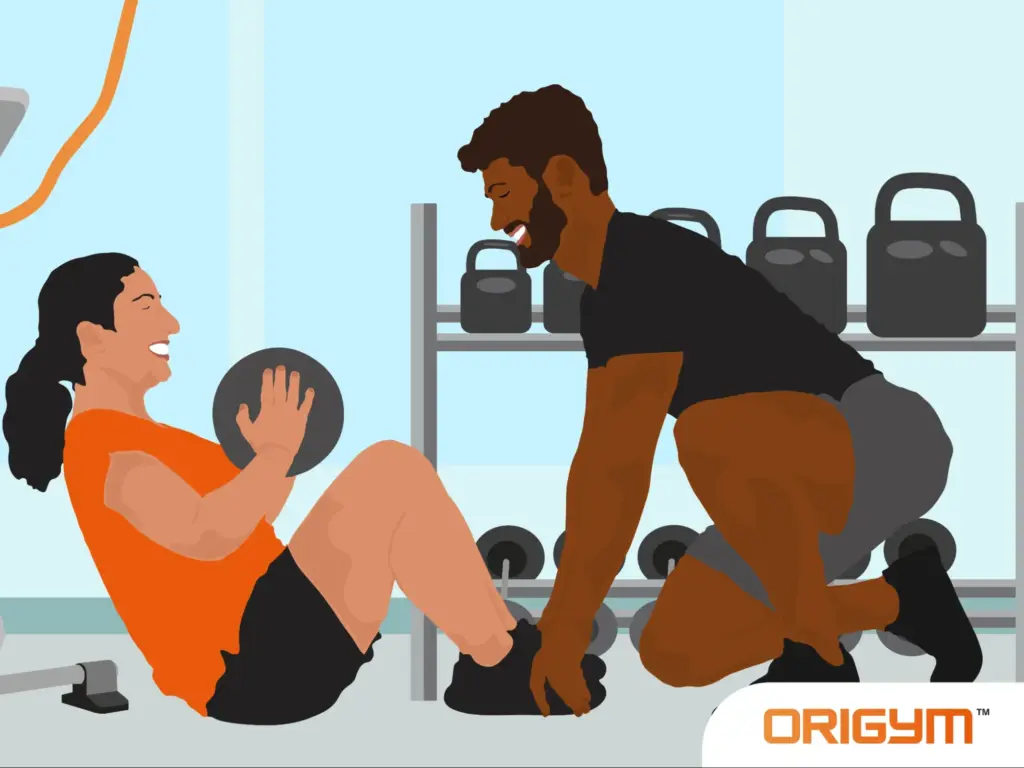
Clients want to feel progress, not confusion.
Well-structured sessions help clients understand what they are doing, why they are doing it, and how it links to their goals. Progression should be planned, tracked, and communicated clearly.
Strong session structure includes:
- A clear warm-up and focus for the session
- Exercises linked directly to goals
- Planned progression across weeks, not just sessions
This keeps training purposeful and prevents clients feeling stuck or bored.
#3 – Set Boundaries and Stay Professional

Professional boundaries protect both you and your clients.
Clear expectations around communication, cancellations, availability, and payment help avoid misunderstandings and burnout. Successful personal trainers are friendly, approachable, and supportive, while still maintaining structure.
Key boundaries include:
- Defined working hours
- Clear cancellation policies
- Professional communication channels
Consistency here builds respect and long-term trust.
#4 – Track Results and Communicate Progress

Progress should be visible, not vague.
Tracking results helps clients stay motivated and reinforces the value of your coaching. It also gives you objective feedback to adapt programmes when needed.
Effective tracking can include:
- Fitness assessments
- Measurements or performance markers
- Regular progress reviews
Regularly sharing progress helps keep clients engaged and accountable, and ongoing progress reviews and check-ins are a big part of long-term retention.
#5 – Price and Package Your Services Properly

Pricing affects how your service is perceived.
Successful personal trainers avoid underpricing or offering single sessions without structure. Instead, they use clear packages that reflect their time, expertise, and results.
Good pricing habits include:
- Offering monthly or block packages
- Pricing consistently across clients
- Reviewing rates as experience
For a realistic benchmark when you’re setting packages, see our guide to personal trainer prices.
#6 – Get Visible in the Right Places
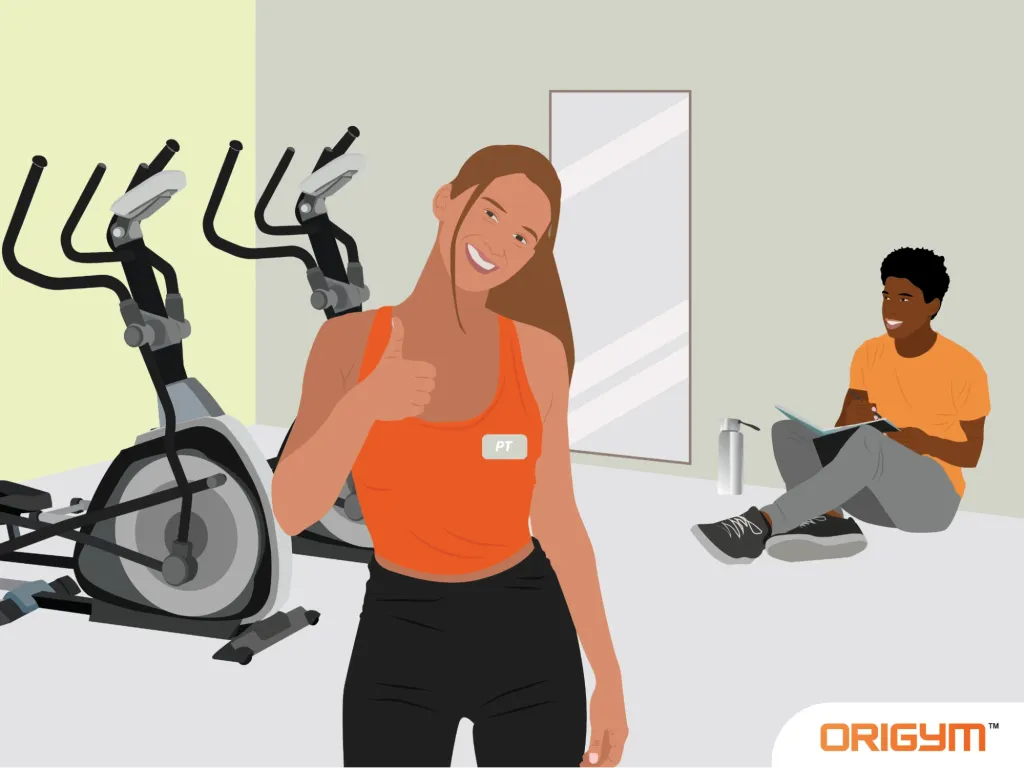
Successful personal trainers don’t try to be everywhere. They focus on being visible where it actually matters.
In the early stages of your career, this usually means two places: the gym floor and one main online platform. Being present, approachable, and helpful in your gym builds trust quickly, while a consistent online presence reinforces your credibility.
Visibility habits that work:
- Talking to members on the gym floor and offering support when appropriate
- Showing consistency rather than volume online
- Using one platform well instead of spreading yourself too thin
Clients are more likely to train with someone they recognise and feel comfortable approaching. If you want a simple plan for getting visible without overcomplicating it, these personal trainer marketing strategies break it down.
#7 – Keep Improving Through Specialisms and CPD
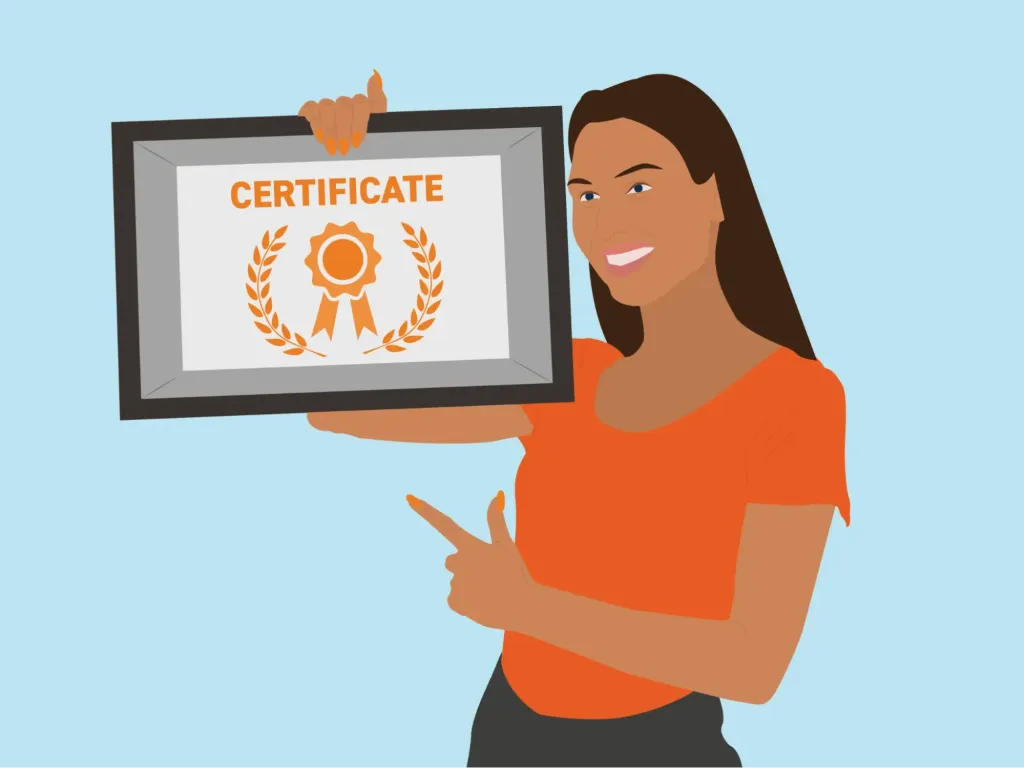
The most successful personal trainers never stop learning.
As you gain experience, developing specialist skills helps you stand out, attract specific clients, and increase your earning potential. Continued professional development courses also show commitment and professionalism, which both clients and employers value.
Choosing a clear direction early also makes marketing easier. For longer term options, here are some progression opportunities for personal trainers.
Some popular next steps include qualifications like:
- Kettlebell CPD Course
- Personal Trainer Business Course
- Body Weight Training Course
- Hydration for Sport and Exercise Management
After You Qualify: Your First 30 Days as a Personal Trainer
The first month after qualifying is about building confidence, visibility, and good habits rather than perfection. Focus on consistent action and getting comfortable working with real clients.
Week 1: Set Your Foundations
- Introduce yourself to gym staff and other trainers
- Spend time on the gym floor observing how experienced PTs work
- Decide who you want to train and what problems you want to help solve
- Set up basic admin such as insurance, availability, and pricing structure
Week 2: Get Client-Ready
- Practise consultations, assessments, and session structure
- Create a simple onboarding process for new clients
- Prepare one or two structured programmes you can adapt for beginners
- Start conversations with members and build familiarity
If you want a clearer route into the industry and what you need to qualify, this step-by-step personal trainer guide can help.
Week 3: Start Training and Tracking
- Take on your first clients or free sessions where appropriate
- Track progress clearly using measurements, notes, or software
- Ask for feedback after sessions and adjust where needed
- Begin sharing simple, helpful content on one platform
If you want content ideas you can actually keep up with, take inspiration from OriGym’s YouTube channel.
Week 4: Review and Refine
- Identify what’s working and what feels uncomfortable
- Improve session flow, confidence, and communication
- Look at opportunities to upskill or specialise
- Set goals for your next 60 to 90 days
Small, consistent steps in your first month make a big difference to long-term success!
Ready to Start Your Personal Training Career?
Becoming a successful personal trainer is about more than qualifying. It’s about learning how to apply your skills with confidence, work with real clients, and build a career that lasts.
If you’re ready to take that next step, explore OriGym’s Personal Trainer Diploma to see how you can develop the practical skills, industry knowledge, and confidence needed to succeed from day one. You can also download our free prospectus to compare courses, understand progression options, and plan your next move in fitness.
Your qualification is just the beginning. What you do with it is what sets you apart.
FAQs
How Do I Become a Successful Personal Trainer After Completing a Course?
To become a successful personal trainer after qualifying, focus on applying your skills in real-world settings. This includes building rapport with clients, delivering structured sessions, tracking progress, and staying visible in your gym or online.
Continued learning, clear communication, and consistency are key to long-term success.
How Long Does it Take to Become a Successful Personal Trainer?
Success timelines vary, but most personal trainers begin building a stable client base within their first 6 to 12 months.
Progress depends on consistency, confidence on the gym floor, and how well you apply your training skills in practice. This also links closely to how long it takes to qualify, which varies depending on your study route and starting point. Our guide on how long it takes to become a personal trainer explains this in more detail.
What Separates Successful Personal Trainers From Average Ones?
Successful personal trainers combine strong people skills with technical knowledge. They communicate clearly, track results, remain professional, and continue developing their skills through experience and further qualifications.
Many of these qualities directly contrast with the common mistakes outlined in our guide to what makes a bad personal trainer, which highlights behaviours that often hold trainers back.
Can You Be a Successful Personal Trainer Without Experience?
Yes. Many successful personal trainers start with little or no hands-on experience.
Accredited qualifications provide the technical foundation, while confidence, communication, and client management skills develop quickly through real-world practice. Consistency on the gym floor, willingness to learn, and applying feedback early on play a big role in long-term success.